
Gluten free digestive health is the focus of this final part of Marijke Vogel’s three-part series on gluten. If you haven’t read them yet, start with Part 1 on gluten and digestive symptoms and Part 2 on gluten and respiratory health. Here, Marijke looks at why going gluten free matters, what gluten actually does to the gut, and what to take when symptoms flare.
Gluten Free Digestive Health — Why It Matters
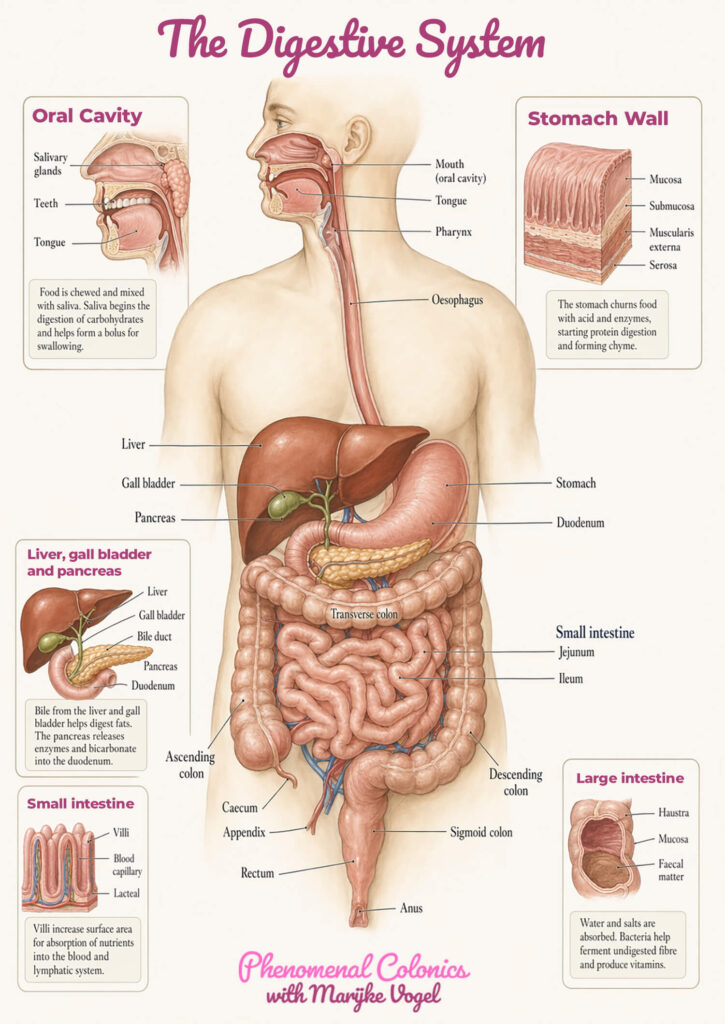
Gluten attacks the villi in the small intestine — the tiny finger-like projections essential for absorbing nutrients from food. Furthermore, this damage leads directly to leaky gut, where undigested food particles pass into the bloodstream, causing fatigue, skin problems, and an acidic pH balance. Consequently, even high-quality supplements may do very little if gluten continues to damage the gut lining.
Wheat today contains as much as 70% gluten — compared to around 10% in the original grain thousands of years ago. As a result, the dramatic rise in gluten sensitivity is not surprising. The human digestive system simply has not adapted to process it at these concentrations.
Going Gluten Free — What to Eat Instead
Marijke recommends thinking more alkaline and moving toward whole, unprocessed grains. Specifically:
- Buckwheat, quinoa and millet are good alternatives and generally well tolerated
- Replace wheat pasta with buckwheat pasta
- Use almond flour for baking
- Replace cow’s milk with almond milk
- Avoid cheap ready-made soups — check labels for fillers, binders and corn
- Get a juicer and include fresh green juice daily
Natural Remedies During an Acid Attack
When symptoms flare, Marijke recommends reaching for fibre and the following supplements rather than antacids, which can worsen digestive problems over time:
- Slippery elm
- L-Glutamine
- Probiotics — take a good one every day as standard
The NHS guidance on coeliac disease provides further context on gluten sensitivity and when to seek a formal diagnosis.
If persistent bloating or digestive discomfort is affecting your quality of life, book a session with Marijke or visit the colonic irrigation FAQs first.