
Understanding how a poor diet affects health is the first step toward making meaningful changes. Your diet isn’t just about weight — it influences your energy levels, mental clarity, skin quality, digestive function, immune resilience, and long-term disease risk. When you consistently eat processed foods, excess sugar, and inadequate nutrients, the effects ripple through every system in your body.
As a naturopath with over 25 years of clinical experience, I’ve seen countless clients transform their health simply by addressing their diet. Chronic fatigue, digestive problems, skin issues, brain fog, and even serious conditions like type 2 diabetes and liver disease often improve dramatically when dietary habits change.
In this article, I’ll explain exactly how a poor diet affects health, why modern eating patterns are so damaging, and what you can do to support your body through better nutrition.
Poor Diet Affects Health: The Modern Dietary Crisis
We’re living through a time when highly processed, nutrient-poor foods are cheaper, more convenient, and more heavily marketed than whole, nourishing foods. The result is a dietary pattern dominated by refined carbohydrates, added sugars, poor-quality fats, and artificial additives — with vegetables, fruits, and fibre pushed to the margins.
This isn’t just a matter of poor willpower. The modern food environment is designed to encourage overconsumption of foods that taste good but damage health. Understanding this helps you make informed choices rather than feeling guilty about past eating patterns.
How Poor Diet Affects Health: The Key Pathways
A poor diet undermines health through several interconnected mechanisms:
Nutrient Deficiency
Even if you’re eating enough calories — or too many — you can be malnourished if those calories come from nutrient-poor foods. White bread, sugary snacks, processed meats, and ready meals provide energy but lack the vitamins, minerals, antioxidants, and phytonutrients your body needs to function properly.
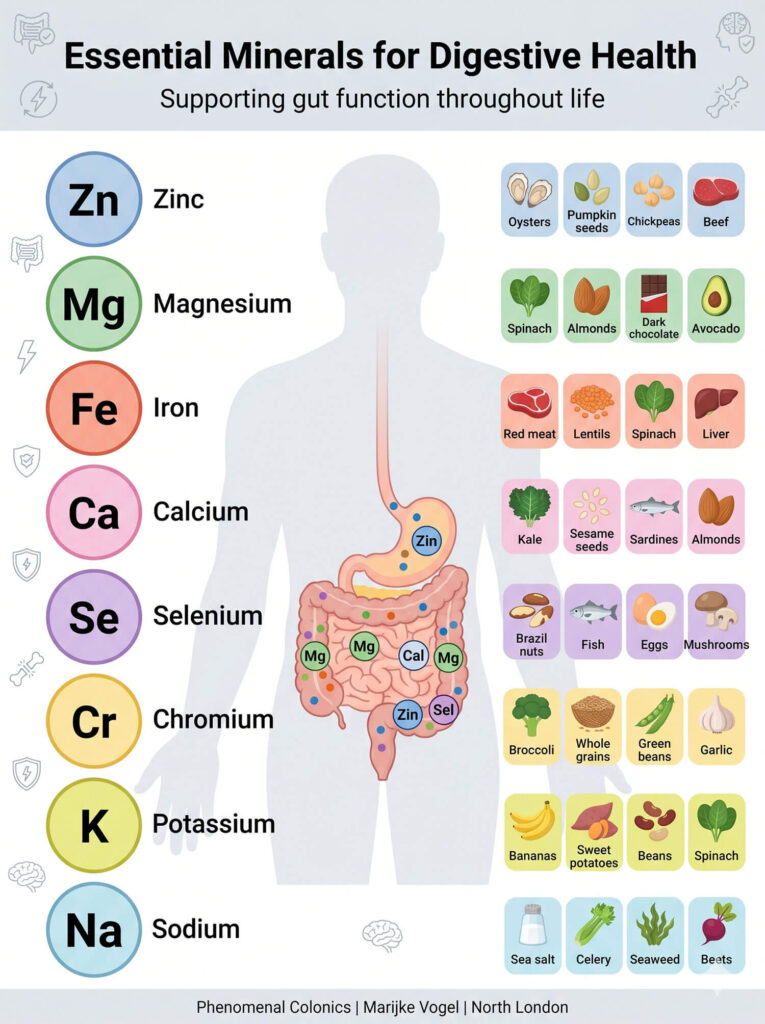
Over time, this leads to deficiencies in essential nutrients like B vitamins (crucial for energy and brain function), vitamin D (immune support and bone health), magnesium (nerve and muscle function), and omega-3 fatty acids (brain and heart health).
According to the NHS, a balanced diet rich in vegetables, fruits, whole grains, and lean proteins is essential for maintaining health and preventing chronic disease.
Inflammation
Processed foods, excess sugar, and poor-quality fats trigger chronic low-grade inflammation throughout the body. This isn’t the acute inflammation that helps you heal from an injury — it’s a persistent inflammatory state that damages tissues, impairs immune function, and increases the risk of heart disease, diabetes, dementia, and cancer.
Inflammation also disrupts gut health, creating a vicious cycle where poor diet damages the gut lining, which then makes it harder to absorb nutrients and easier for toxins to enter the bloodstream.
Blood Sugar Dysregulation
A diet high in refined carbohydrates and sugar causes blood glucose to spike and crash repeatedly throughout the day. This creates energy fluctuations, mood swings, sugar cravings, and — over time — insulin resistance, which is the precursor to type 2 diabetes.
Blood sugar instability also affects mental clarity, concentration, and emotional regulation. Many people who struggle with anxiety, irritability, or brain fog find these symptoms improve significantly when they stabilise their blood sugar through better food choices.
Gut Microbiome Disruption
Your gut microbiome — the trillions of bacteria living in your digestive tract — thrives on fibre, polyphenols, and diverse plant foods. A diet low in these and high in processed foods, sugar, and additives disrupts the balance of gut bacteria, allowing harmful species to flourish.
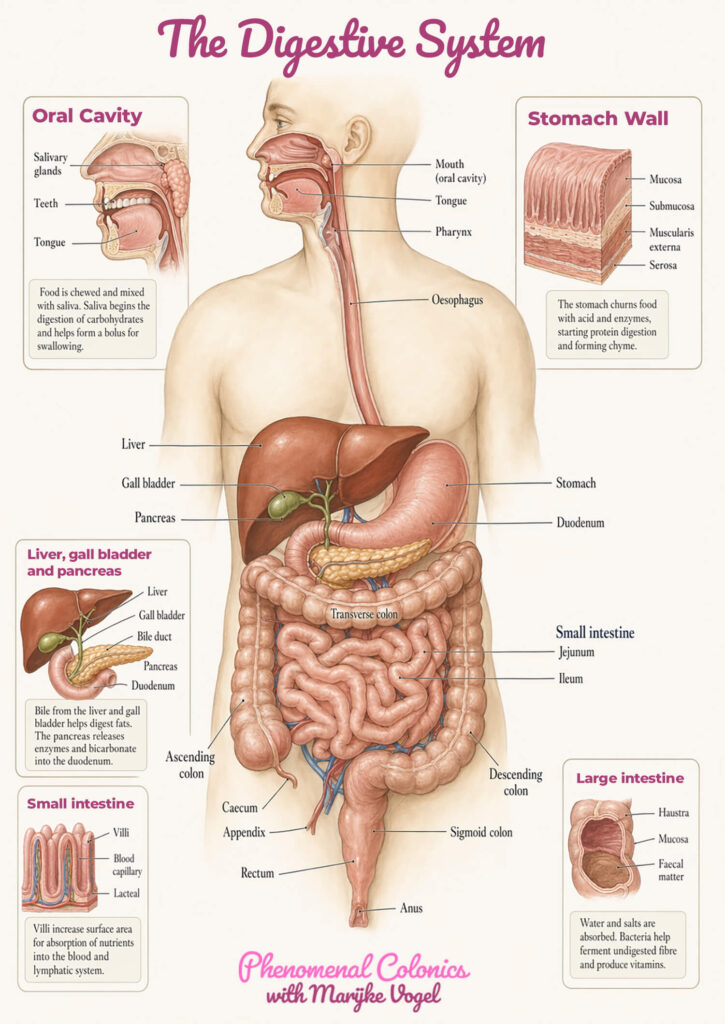
This contributes to digestive problems like bloating, constipation, and IBS, but it also affects your immune system, mental health, and even your ability to maintain a healthy weight. For more on how gut health underpins overall wellbeing, read my article on why the digestive system is so important.
Poor Diet Affects Health: The Seasonal Factor
One pattern I’ve observed over decades of practice is how seasonal changes interact with dietary habits to worsen health outcomes.
In the UK, long winters drive us toward comfort eating. When it’s cold and dark outside, we naturally crave warm, heavy, carbohydrate-rich foods. The problem is that modern “comfort foods” — cakes, pastries, pizza, pasta — are heavily processed and lack the nutrients our bodies need.
Spring should be a time of natural detoxification, when lighter foods and increased activity help clear the sluggishness of winter. However, if winter has been particularly harsh and prolonged — as it often is now due to climate instability — we arrive at spring with congested livers, sluggish bowels, and bodies that are desperately in need of nutrient-dense, cleansing foods.
Instead, many people continue eating the same heavy, processed diet they relied on in winter, missing the opportunity for seasonal renewal.
Specific Health Problems Linked to Poor Diet
The connection between diet and disease is well-established. Here are some of the most common conditions I see linked to poor dietary habits:
Liver Congestion and Fatty Liver Disease
Your liver processes everything you eat and drink. When you consume excess sugar, alcohol, processed foods, and poor-quality fats, your liver becomes overburdened. Non-alcoholic fatty liver disease (NAFLD) is now affecting people in their 20s and 30s — a condition that used to be rare outside of heavy alcohol use.
Early signs include fatigue, brain fog, weight gain (particularly around the middle), and digestive discomfort. Spring is traditionally a time for liver support and detoxification, which is why lighter, plant-based eating is so beneficial during this season.
Type 2 Diabetes
The rise in type 2 diabetes is directly linked to dietary excess — particularly refined carbohydrates, sugary drinks, and processed foods. What was once a disease of middle and older age is now appearing in teenagers and young adults.
The good news is that type 2 diabetes is often reversible through dietary change, particularly when caught early. Reducing sugar and refined carbs, increasing fibre and vegetables, and supporting weight loss can restore insulin sensitivity and normal blood glucose control.
Cognitive Decline and Dementia
There’s growing recognition that Alzheimer’s disease and other forms of dementia are linked to diet. Poor nutrition — particularly deficiencies in B vitamins, omega-3 fatty acids, and antioxidants — accelerates cognitive decline.
I’ve seen heartbreaking cases where families watch a loved one’s mental clarity gradually fade, often without realising that dietary changes could have made a difference. It’s particularly tragic when the decline could have been slowed or even partially reversed with proper nutrition.
Cardiovascular Disease
Heart disease remains one of the leading causes of death in the UK, and diet is a major contributing factor. Trans fats, excess salt, processed meats, and insufficient fruits and vegetables all increase cardiovascular risk.
Interestingly, many people over 50 who arrive at A&E thinking they’re having a heart attack are actually experiencing severe indigestion, often linked to gallbladder congestion or poor digestive function. This highlights how closely digestive health and overall wellbeing are connected.
Parkinson’s Disease
While Parkinson’s is a complex neurological condition with multiple contributing factors, there’s increasing evidence that gut health and nutrition play a role. Poor diet, gut dysbiosis, and inflammation may contribute to the development and progression of Parkinson’s, which now affects people at younger ages than in the past.
Dehydration: The Overlooked Problem
Water consumption often suffers in cold weather. When it’s freezing outside, drinking plain water feels unappealing. However, centrally heated indoor environments are extremely dehydrating.
Chronic dehydration contributes to dry skin, hard stools, constipation, fatigue, and poor concentration. It also makes it harder for your body to eliminate toxins efficiently, which compounds the effects of a poor diet.
Aim for at least 1.5-2 litres of water per day, even in winter. Herbal teas, warm water with lemon, and water-rich foods like soups and stews all contribute to hydration.
How to Support Your Health Through Better Nutrition
The good news is that your body is remarkably resilient. When you give it the nutrients it needs, it can repair, regenerate, and restore function — often quite quickly.
Prioritise Whole, Unprocessed Foods
Build your meals around vegetables, fruits, whole grains, legumes, nuts, seeds, and high-quality proteins. These foods provide the vitamins, minerals, fibre, and antioxidants your body needs to function optimally.
Reduce Sugar and Refined Carbohydrates
Cut back on sugary drinks, sweets, cakes, white bread, and pastries. These foods spike blood sugar, feed harmful gut bacteria, and provide empty calories with no nutritional value.
Support Your Liver
Include liver-supporting foods like leafy greens, cruciferous vegetables (broccoli, cauliflower, Brussels sprouts), garlic, onions, and beetroot. Reduce alcohol, processed foods, and excess saturated fats. For more on the power of garlic for liver and digestive health, see my article on garlic’s health benefits.
Stay Hydrated
Drink water consistently throughout the day. If plain water feels boring, add lemon, cucumber, or fresh herbs. Herbal teas are also excellent for hydration and often provide additional health benefits.
Supplement Wisely
While food should always come first, targeted supplementation can help address deficiencies. Vitamin D3 is particularly important in the UK, where sunlight exposure is limited for much of the year. Omega-3 fatty acids, B vitamins, and magnesium are also commonly deficient.
Choose high-quality supplements without unnecessary fillers or additives. Do your research or work with a qualified nutritionist or naturopath to ensure you’re taking the right supplements for your needs.
Support Digestive Function
If your digestion is sluggish or compromised, consider working with a practitioner who can assess your gut health and recommend targeted support. Colonic hydrotherapy can be particularly helpful for clearing congested bowels and creating a clean environment for beneficial bacteria to flourish.
For more on what to expect from a colonic session, read my guide on your first colonic irrigation appointment.
It’s Never Too Late to Change
No matter how long you’ve been eating poorly, your body responds to positive change. I’ve seen clients in their 60s and 70s reverse years of decline simply by improving their diet and supporting their digestive health.
The key is to start where you are and make gradual, sustainable changes. You don’t need to be perfect — you just need to be consistent.
Ready to Support Your Health?
If you’re struggling with the effects of poor diet and want professional support to restore your health, I’m here to help. I offer naturopathic consultations, iridology assessments, and colonic hydrotherapy at my Belsize Park clinic.
Sessions start from £175. You can book by phone, WhatsApp, or email.
Call or WhatsApp: 07982 831239
Email: marijke@phenomenalcolonics.com
Location: Balance On The Lane, 16 England’s Lane, Belsize Park, London NW3 4TG
About the Author
Marijke Vogel is an ARCH-accredited colonic hydrotherapist (CNHC registration: CNHC04200) and qualified naturopath, herbalist, and iridologist based in Belsize Park, North London. With over 25 years of experience helping clients transform their health through nutrition and digestive support, Marijke offers a compassionate, evidence-informed approach to wellbeing.
She practices at Balance On The Lane, 16 England’s Lane, Belsize Park, London NW3 4TG. Professional memberships include ARCH (Association of Registered Colon Hydrotherapists) and CNHC (Complementary and Natural Healthcare Council).
Medical Disclaimer: This content is for informational purposes only and does not constitute medical advice. If you have a diagnosed medical condition or are taking medication, please consult your GP or healthcare provider before making significant dietary changes or booking a colonic hydrotherapy session.