The connection between Sjögren’s syndrome gut health is profound and often overlooked by conventional medicine. Sjögren’s is an autoimmune condition that primarily affects the moisture-producing glands, causing chronic dry eyes and dry mouth. However, as both a naturopath and someone living with this condition, I can tell you that its impact extends far beyond these classic symptoms — particularly affecting digestive function and overall gut health.
I know that I’m not the only one who suffers regularly from this debilitating condition. It’s only recently, as I’ve been able to pay more attention to my own health challenges, that I’ve fully recognised I’ve been dealing with Sjögren’s syndrome for some time. Through this personal journey combined with my professional experience, I’ve learned that supporting Sjögren’s syndrome gut health through diet, lifestyle, and holistic therapies can make a significant difference to symptom severity and quality of life.
What Is Sjögren’s Syndrome?
Sjögren’s syndrome is a chronic autoimmune disorder where the immune system mistakenly attacks the body’s moisture-producing glands. The name comes from Swedish ophthalmologist Henrik Sjögren, who first identified the condition in 1933.
According to the NHS, Sjögren’s syndrome affects around 0.5% of the UK population, with women nine times more likely to develop it than men. Symptoms typically appear between ages 40 and 60, though it can develop at any age.
A syndrome, by definition, is:
- A group of symptoms that collectively indicate or characterise a disease, psychological disorder, or other abnormal condition
- A complex of symptoms indicating the existence of an undesirable condition or quality
- A distinctive or characteristic pattern of behaviour
Yes, syndromes have many meanings and implications. However, once you identify your syndrome, you can begin to tackle it in a more determined manner — in my case, as naturally as possible.
Primary vs Secondary Sjögren’s
Primary Sjögren’s syndrome occurs on its own, without other autoimmune diseases. Secondary Sjögren’s develops alongside other autoimmune conditions such as rheumatoid arthritis, lupus, or scleroderma. In both cases, the immune dysfunction affects moisture-producing glands throughout the body.
Sjögren’s Syndrome Gut Health: The Hidden Connection
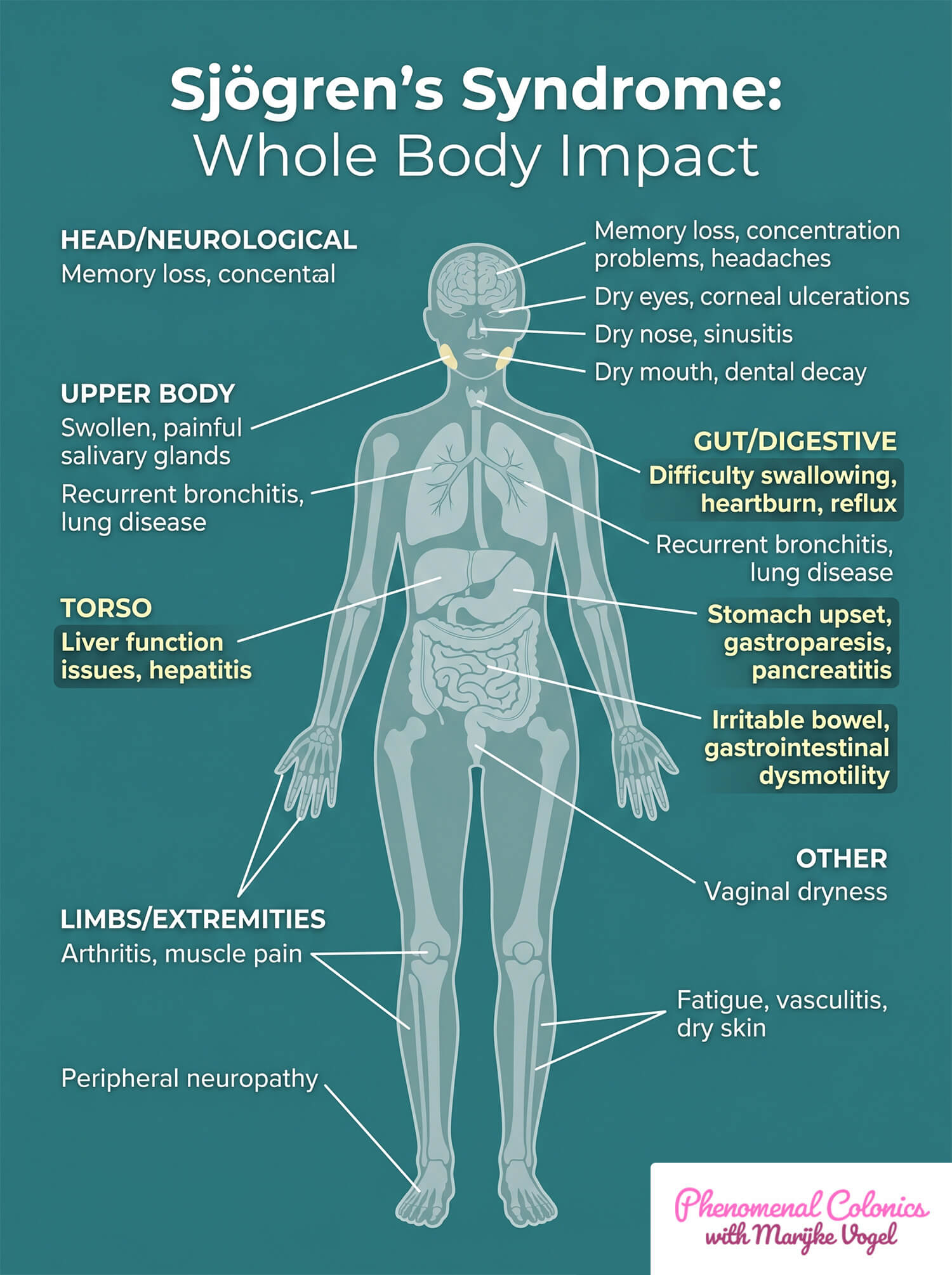
While dry eyes and dry mouth are the most recognised symptoms, the Sjögren’s syndrome gut health connection is equally important but far less discussed. The same immune dysfunction that attacks salivary and tear glands also affects the digestive system.
How Sjögren’s Affects Digestive Health
Many people with Sjögren’s syndrome experience:
- Reduced digestive enzyme production: Dry mouth means less saliva, which contains important digestive enzymes
- Difficulty swallowing: Without adequate saliva, food doesn’t move smoothly through the oesophagus
- Acid reflux and GERD: Common in Sjögren’s patients due to reduced saliva’s buffering effect
- Chronic constipation: Reduced moisture production affects the entire digestive tract
- Small intestinal bacterial overgrowth (SIBO): Changes in digestive secretions alter gut bacteria balance
- Food sensitivities: Autoimmune conditions often coincide with increased intestinal permeability
- Malabsorption: Reduced digestive secretions impair nutrient absorption
Of course, Sjögren’s is also related to asthma and arthritis — all conditions with roots in immune system dysfunction and chronic inflammation. Supporting gut health is central to managing all of these interconnected conditions.
My Personal Experience with Sjögren’s
I’ve tried many things to help this brain-freezing condition. I’ve been to the best specialists and doctors, tried every eye drop available — natural and allopathic. Many alternative approaches too, including acupuncture (which was actually most helpful). However, when it returns from time to time, it hits me with a vengeance that is terribly debilitating, tiring, and distracting.
After rubbing the itchy eyes (which is unavoidable), there often comes an infection as well as very dry, irritated skin around the eyes. You look like you’ve been crying for days and feel very depressed and in pain. The exhaustion is overwhelming — your body is fighting itself, and that takes enormous energy.
Usually, these attacks are triggered by emotionally upsetting news as well as changing weather conditions. An allergic response due to the presence of certain pets can also trigger onset. Stress plays an enormous part — which is why finding things that make you laugh and help you relax is so important.
Managing Sjögren’s Syndrome: Practical Strategies
Immediate Eye Care
Best is to use a liquid tears formula from your optician as soon as possible. Apply the drops a few times daily. Stay warm and keep out of the cold wind, as wind triggers huge amounts of hot fluid to pour from your eyes, causing even more itching.
Wear sunglasses if you have to, even in freezing wind and rain. They provide both physical protection and reduce wind exposure.
Apply raw coconut butter around the eyelids before bed. Use hot towel compresses on the eyes for about five minutes afterwards, so you don’t sleep with too much oil on your face. The warmth helps open blocked oil glands in the eyelids.
Supporting Sjögren’s Syndrome Gut Health Through Diet
Dietary factors are undoubtedly involved in autoimmune flare-ups. The gut-immune connection means that what you eat directly affects symptom severity.
Foods to avoid:
- Any fungal-type foods (mushrooms, yeast, fermented foods during flare-ups)
- Processed and refined foods that inflame the gut
- Common allergens: wheat, dairy, sugar, soy
- Nightshade vegetables if you notice joint pain worsens (tomatoes, peppers, aubergines, potatoes)
Foods to emphasise:
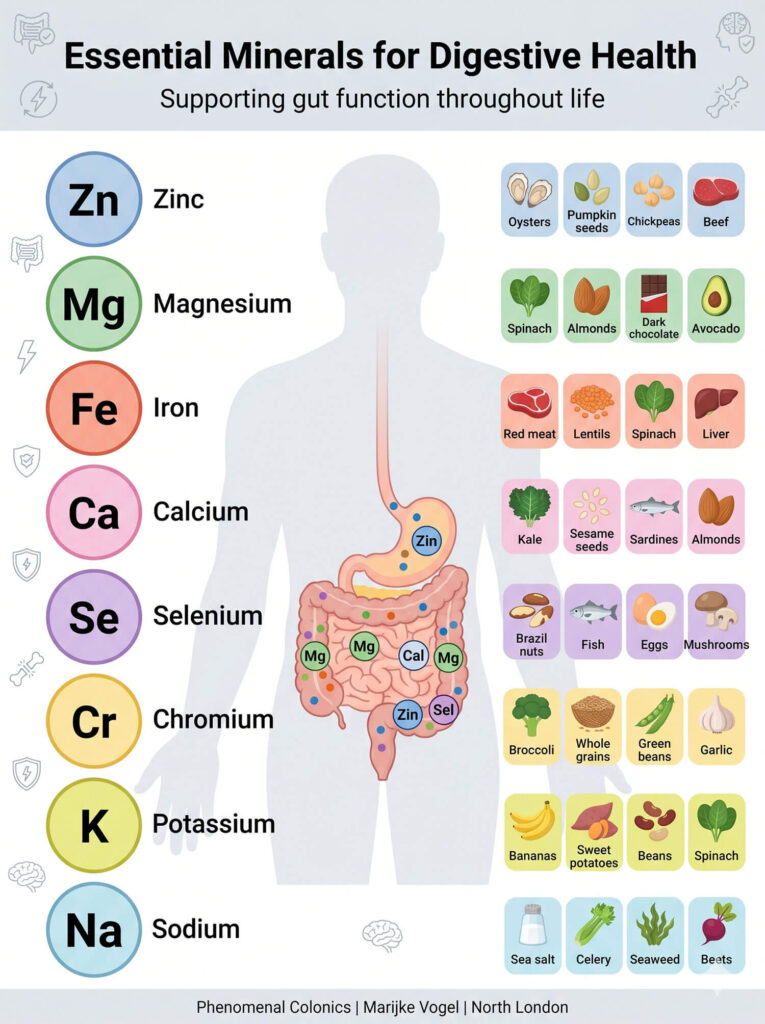
- Omega-3-rich foods: Wild fish, krill oil, hemp seeds, walnuts
- Anti-inflammatory fats: Coconut oil, olive oil, avocado
- Leafy greens and colourful vegetables (except nightshades if sensitive)
- Clean protein: Grass-fed meat, wild fish, pastured eggs
- Probiotic-rich foods when not in active flare (natural yoghurt, sauerkraut, kimchi)
Add hemp seed oil to your soups or salads — at least one tablespoon daily. Also take coconut oil regularly. Both support the gut lining and reduce inflammation.
For more on how gut health underpins immune function, read my article on why the digestive system is so important.
Essential Supplements
Take omega-3s like krill oil. Take vitamin D3 (most people with autoimmune conditions are deficient). Probiotics are a must — they help restore beneficial gut bacteria and calm immune overreaction.
Look after the liver and the bowels. When digestion is sluggish and the liver is congested, toxins accumulate and worsen autoimmune symptoms. For more on supporting digestive health, see my guide on colonic hydrotherapy.
Homeopathic Support
There are some excellent homeopathics that bring rapid relief for acute eye symptoms. A qualified homeopath can prescribe constitutional remedies tailored to your specific symptom pattern.
Lifestyle Factors That Make a Difference
Stress Management
Stress is one of the most powerful triggers for autoimmune flares. Find things that make you laugh and help you feel more relaxed. Whether it’s comedy, time with friends, gentle yoga, or nature walks — prioritise activities that genuinely reduce your stress load.
Sleep
Make sure you get enough sleep. The immune system resets during deep sleep, and chronic sleep deprivation worsens all autoimmune conditions. Aim for 7-9 hours of quality sleep in a completely dark, cool room.
Sun and Fresh Air
Sun and change of air can turn symptoms around fast. Natural light supports vitamin D production (essential for immune regulation), and fresh air reduces the toxic load on your system. Even 20 minutes outside daily makes a difference.
Gentle Movement
While intense exercise can trigger flares, gentle movement supports lymphatic drainage and reduces inflammation. Walking, swimming, tai chi, and gentle yoga are all beneficial.
The Gut-Immune Connection in Autoimmune Conditions
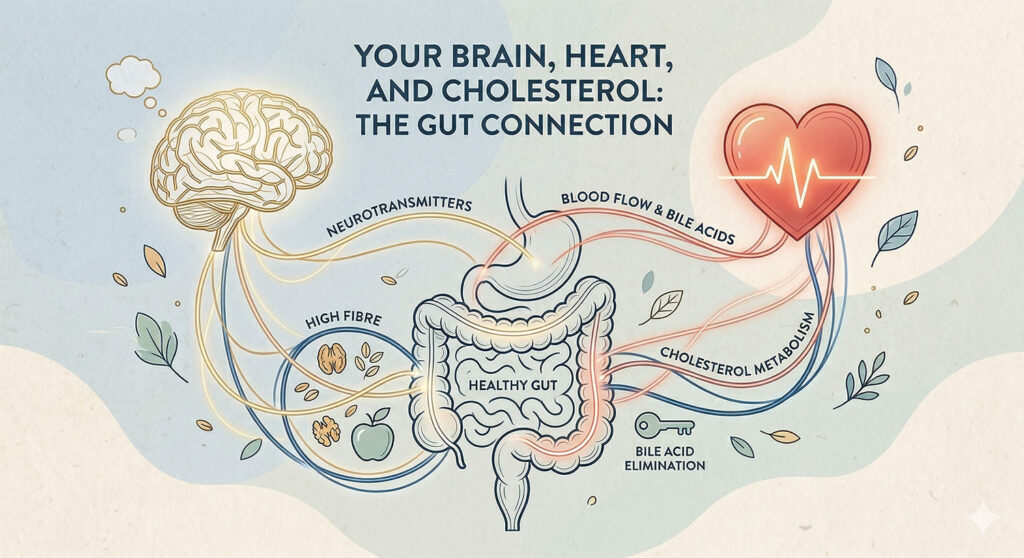
Approximately 70% of your immune system resides in your gut. When gut health is compromised — through poor diet, stress, medications, or infections — immune function becomes dysregulated. This is why so many autoimmune conditions, including Sjögren’s syndrome, improve when gut health is addressed.
Key strategies for supporting Sjögren’s syndrome gut health include:
- Healing leaky gut (increased intestinal permeability)
- Restoring beneficial gut bacteria
- Reducing systemic inflammation
- Supporting liver detoxification
- Removing food triggers
- Managing stress (which directly damages the gut lining)
For insights into how diet affects overall health, including autoimmune conditions, read my article on how poor diet affects everything.
Can Sjögren’s Syndrome Be Cured?
There is not really a cure for Sjögren’s, as the condition can strike at any time of year and is fundamentally rooted in immune dysfunction. However, you can absolutely shorten its course and reduce symptom severity by applying the holistic strategies outlined above.
Many of my clients with autoimmune conditions find that consistent attention to gut health, stress management, and anti-inflammatory nutrition dramatically reduces flare frequency and severity. Some achieve long periods of complete remission.
A Holistic Approach to Autoimmune Health
As someone who lives with this condition while also supporting others with chronic health challenges, I can say with confidence that a holistic approach makes a profound difference. Conventional medicine tends to focus on symptom suppression with medications. Naturopathic care addresses the root causes — immune dysfunction, gut inflammation, nutrient deficiencies, and toxic burden.
The goal isn’t just to manage symptoms, but to support your body’s natural healing capacity so that flares become less frequent, less severe, and shorter-lived.
Need Support Managing Sjögren’s or Other Autoimmune Conditions?
If you’re struggling with Sjögren’s syndrome, chronic inflammation, or digestive issues related to autoimmune conditions, I can help. I offer naturopathic consultations, iridology assessments, and nutritional guidance at my Belsize Park clinic, alongside colonic hydrotherapy to support detoxification and gut health.
Sessions start from £175. You can book by phone, WhatsApp, or email.
Call or WhatsApp: 07982 831239
Email: marijke@phenomenalcolonics.com
Location: Balance On The Lane, 16 England’s Lane, Belsize Park, London NW3 4TG
About the Author
Marijke Vogel is an ARCH-accredited colonic hydrotherapist (CNHC registration: CNHC04200) and qualified naturopath, herbalist, and iridologist based in Belsize Park, North London. As someone personally living with Sjögren’s syndrome, Marijke brings both professional expertise and lived experience to supporting clients with autoimmune conditions. With over 25 years of clinical practice, she offers a compassionate, holistic approach to chronic health challenges.
She practices at Balance On The Lane, 16 England’s Lane, Belsize Park, London NW3 4TG. Professional memberships include ARCH (Association of Registered Colon Hydrotherapists) and CNHC (Complementary and Natural Healthcare Council).
Medical Disclaimer: This content is for informational purposes only and does not constitute medical advice. Sjögren’s syndrome is a serious autoimmune condition that requires proper medical diagnosis and monitoring. Always consult your GP or rheumatologist before making changes to your treatment plan. The strategies discussed here are complementary approaches and should not replace conventional medical care.