
Your digestive system health is the foundation of your entire wellbeing. Every cell in your body depends on the nutrients your digestive system extracts from food. Every toxin your body eliminates passes through your gut. Your immune system, your mental clarity, your energy levels, your skin quality, and even your mood are all profoundly influenced by how well your digestive system functions.
As a naturopath and colonic hydrotherapist with over 25 years of experience, I’ve seen thousands of clients transform their health by addressing digestive dysfunction. When the gut works well, everything else follows. When it doesn’t, no amount of supplements, exercise, or positive thinking can compensate.
In this article, I’ll explain why digestive system health is so crucial, what happens when it’s compromised, and what you can do to support it.
Digestive System Health: Your Body’s Processing Plant
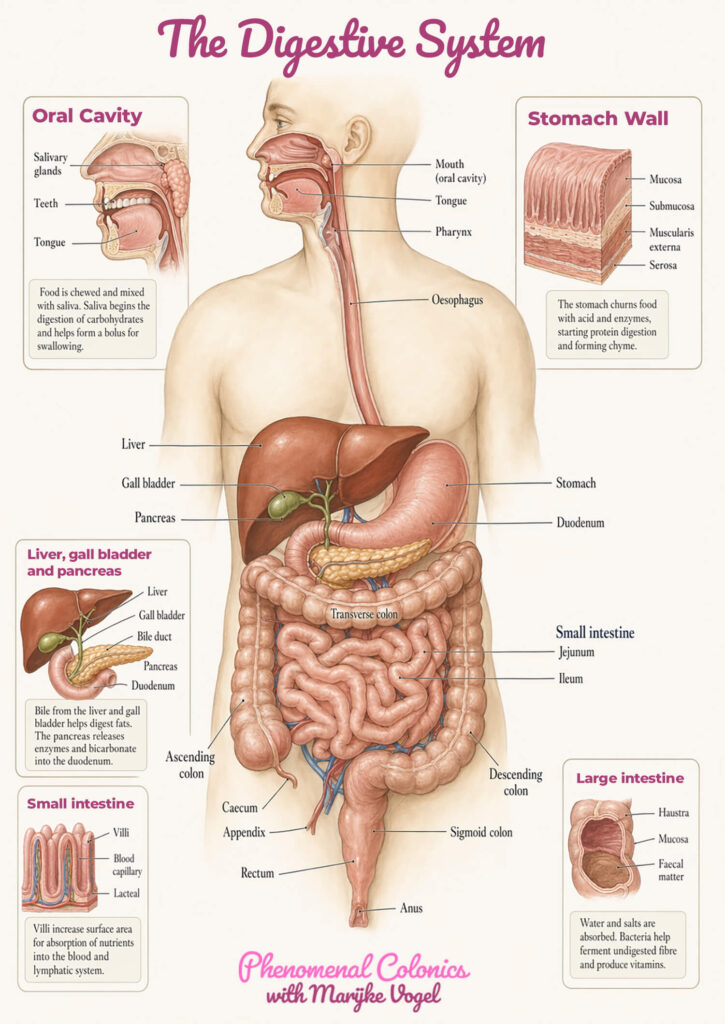
Your digestive system is an intricate network that begins in your mouth and ends at your anus, spanning approximately 9 metres (30 feet) in total. Along this journey, food is broken down, nutrients are absorbed, and waste is eliminated — all orchestrated by a complex interaction of mechanical movement, digestive enzymes, stomach acid, bile, and trillions of beneficial bacteria.
When this system works smoothly, you feel energised, clear-headed, and comfortable. When it doesn’t, the consequences ripple throughout your entire body.
Why Digestive System Health Matters: The Core Functions
Your digestive system performs several essential functions, each critical to your survival and vitality:
Nutrient Absorption
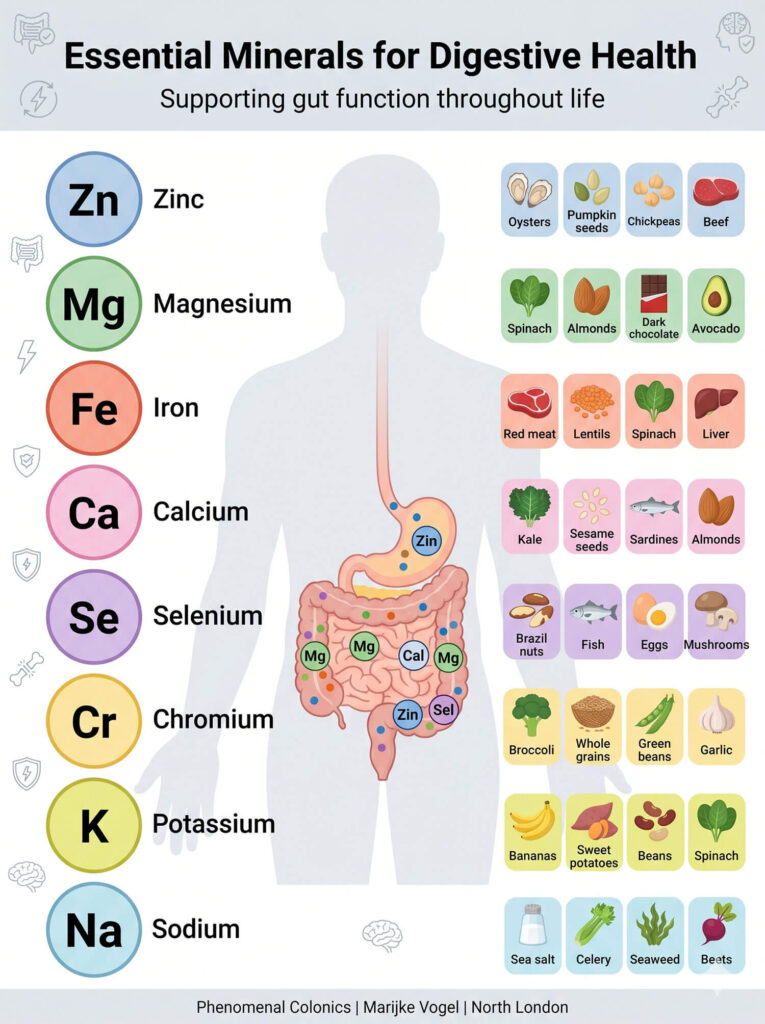
Even if you eat the most nutritious diet imaginable, it’s worthless if your gut can’t extract and absorb those nutrients. The small intestine — where most nutrient absorption occurs — relies on a healthy gut lining, adequate digestive enzymes, and balanced gut bacteria. When any of these are compromised, you can become deficient in essential vitamins and minerals despite eating well.
Immune Function
Approximately 70% of your immune system resides in your gut. The gut-associated lymphoid tissue (GALT) forms a critical barrier between your internal environment and the outside world. A healthy gut lining prevents harmful bacteria, toxins, and undigested food particles from entering your bloodstream, while allowing beneficial nutrients through.
When gut health deteriorates — a condition sometimes called “leaky gut” — this barrier becomes permeable, triggering widespread inflammation and immune dysregulation. This can manifest as allergies, autoimmune conditions, chronic fatigue, and recurrent infections.
Toxin Elimination
Your colon is your body’s final checkpoint for waste elimination. When bowel movements are regular and efficient, toxins leave your system before they can be reabsorbed. When constipation or sluggish bowel function sets in, waste sits in the colon for days, allowing toxins to leach back into your bloodstream.
This creates a burden on your liver and kidneys, which must work overtime to filter out substances that should have already left your body. The result? Fatigue, brain fog, skin problems, and a general feeling of being unwell.
Neurotransmitter Production
Your gut produces many of the same neurotransmitters found in your brain, including serotonin (the “happy hormone”), dopamine, and GABA. In fact, about 90% of your body’s serotonin is produced in the gut, not the brain.
This is why poor digestive system health so often correlates with anxiety, depression, and mood disturbances. The gut-brain connection is bidirectional — your gut affects your mind, and your mental state affects your gut.
Lessons from Nature: What Cows Teach Us About Digestion
Cows have one of the most efficient digestive systems in the animal kingdom, and there’s much we can learn from them.
A cow chews its feed up to 60,000 times per day. They chew, swallow, regurgitate, and rechew — a process called rumination. This is why they are so healthy and strong despite eating a diet that would be completely indigestible to humans.
Their stomachs have four compartments. Food passes through about 3 feet of oesophagus and enters a large vat (the rumen) that can hold 5 gallons. There, the feed is digested with the help of 500 trillion bacteria and 50 billion protozoa living symbiotically in the cow’s gut.
These beneficial organisms help the cow survive even in highly undesirable conditions. They function as digestive aids, extract energy from plant matter, produce protein from nitrogen, and synthesise B vitamins to support the cow’s brain, bowel, and nervous system.
Humans, of course, have a very different digestive system — and a much harder time with digestion, especially when we eat meat. Meat can take as long as 3 days to pass through our system, during which time it begins to rot, ferment, and produce foul-smelling gases. This is one reason why plant-based diets are often easier on the digestive system.
The lesson? Digestive system health depends on thorough chewing, eating foods our bodies are designed to process, and maintaining a thriving population of beneficial gut bacteria.
What Damages Digestive System Health?
Several modern lifestyle factors compromise gut function:
Poor Diet
Highly processed foods, excess sugar, refined carbohydrates, and insufficient fibre all disrupt the gut microbiome and slow digestive transit. According to the NHS, a balanced diet rich in vegetables, fruits, whole grains, and fibre is essential for maintaining digestive health.
Antibiotic Overuse
Antibiotics are lifesaving when used appropriately, but they don’t discriminate between harmful and beneficial bacteria. A single course can wipe out much of your gut flora, creating an environment where harmful organisms can flourish.
Chronic Stress
Stress disrupts gut motility, reduces stomach acid production, and alters the gut microbiome. The gut-brain axis means that emotional stress directly impacts digestive function — which is why anxiety and digestive problems so often go hand in hand.
Insufficient Chewing
Digestion begins in the mouth. If you don’t chew your food thoroughly — ideally 20-30 times per mouthful — you’re placing a massive burden on your stomach and intestines to break down large, poorly masticated chunks of food. This slows digestion and creates fermentation, gas, and bloating.
Dehydration
Water is essential for moving food through your digestive tract and for producing the mucus that protects your gut lining. Chronic dehydration is one of the most common yet overlooked contributors to constipation and poor digestive function.
Supporting Your Digestive System Health
Fortunately, there’s a great deal you can do to support and restore digestive function:
Eat More Plant Foods
Vegetables, fruits, legumes, nuts, seeds, and whole grains provide the fibre your gut bacteria need to thrive. Fibre also adds bulk to stool and speeds transit time through the colon, reducing the time toxins spend in your system.
Chew Thoroughly
Take the time to chew each mouthful properly. This not only breaks down food mechanically but also mixes it with saliva, which contains digestive enzymes that begin the breakdown of carbohydrates.
Support Your Gut Microbiome
Fermented foods like sauerkraut, kimchi, kefir, and natural yoghurt introduce beneficial bacteria into your gut. Prebiotic foods like garlic, onions, leeks, and asparagus feed the good bacteria you already have. For more on the power of garlic for gut health, read my article on garlic’s digestive benefits.
Stay Hydrated
Aim for at least 1.5-2 litres of water per day, more if you’re active or it’s hot. Herbal teas and water-rich foods like cucumbers and melons also contribute to hydration.
Manage Stress
Practices like meditation, deep breathing, yoga, and regular movement all support healthy digestion by calming the nervous system and improving gut motility.
Consider Digestive Enzymes and Probiotics
If your digestion is severely compromised, high-quality digestive enzymes and probiotics can provide support while you work on the underlying causes. Look for products with at least 25 billion CFUs (colony-forming units) per capsule.
How Colonic Hydrotherapy Supports Digestive System Health
Colonic hydrotherapy is a powerful tool for supporting digestive function, particularly when the colon has become sluggish, compacted, or burdened with accumulated waste.
During a session, warm purified water flows gently in and out of the colon, helping to release trapped gas, compacted faecal matter, and fermenting debris. This reduces the toxic load on your body, creates a cleaner environment for beneficial bacteria to flourish, and often leads to improved energy, mental clarity, and overall wellbeing.
Many clients report that after a colonic session, they feel lighter, less bloated, and more comfortable. Digestive function often improves in the days and weeks following treatment, particularly when combined with dietary improvements and proper hydration.
For more on what to expect during a colonic session, read my guide on your first colonic irrigation appointment.
The Importance of Good Digestion for a Long, Healthy Life
Your digestive system health is not just about avoiding discomfort or bloating. It’s about laying the foundation for vitality, longevity, and resilience.
When your gut works well, you absorb nutrients efficiently, eliminate waste promptly, maintain a strong immune system, and produce the neurotransmitters that keep you mentally balanced. When it doesn’t, every other system in your body suffers.
The good news is that digestive health is largely within your control. Through mindful eating, proper hydration, stress management, and targeted support when needed — including colonic hydrotherapy — you can restore and maintain the foundation of your overall wellbeing.
Ready to Support Your Digestive System Health?
If you’re struggling with digestive issues and want professional support to restore gut function, I’m here to help. With over 25 years of experience in naturopathy and colonic hydrotherapy, I offer a compassionate, knowledgeable approach to digestive healing.
Sessions at my Belsize Park clinic start from £175. You can book by phone, WhatsApp, or email.
Call or WhatsApp: 07982 831239
Email: marijke@phenomenalcolonics.com
Location: Balance On The Lane, 16 England’s Lane, Belsize Park, London NW3 4TG
About the Author of Digestive System Health
Marijke Vogel is an ARCH-accredited colonic hydrotherapist (CNHC registration: CNHC04200) and qualified naturopath, herbalist, and iridologist based in Belsize Park, North London. With over 25 years of experience treating digestive dysfunction and supporting gut health, Marijke offers a holistic, compassionate approach to wellbeing.
She practices at Balance On The Lane, 16 England’s Lane, Belsize Park, London NW3 4TG. Professional memberships include ARCH (Association of Registered Colon Hydrotherapists) and CNHC (Complementary and Natural Healthcare Council).
Medical Disclaimer: This content is for informational purposes only and does not constitute medical advice. Colonic hydrotherapy is not suitable for everyone. If you have a diagnosed digestive condition, are pregnant, or have concerns about gut health, please consult your GP or healthcare provider before booking a session.