Understanding gallbladder digestive health is essential for anyone struggling with fat digestion, bloating after meals, or chronic digestive discomfort. The gallbladder is a small but mighty organ that plays a crucial role in breaking down fats and absorbing fat-soluble vitamins. When it’s not functioning optimally, the entire digestive system suffers.
As a naturopath with over 25 years of clinical experience, I’ve supported countless clients with sluggish gallbladders, gallstones, and post-cholecystectomy digestive problems. In this article, I’ll explain what the gallbladder does, common problems that arise, and holistic approaches to supporting gallbladder digestive health — including some frank opinions on popular liver flush protocols.
What Does the Gallbladder Do for Digestive Health?
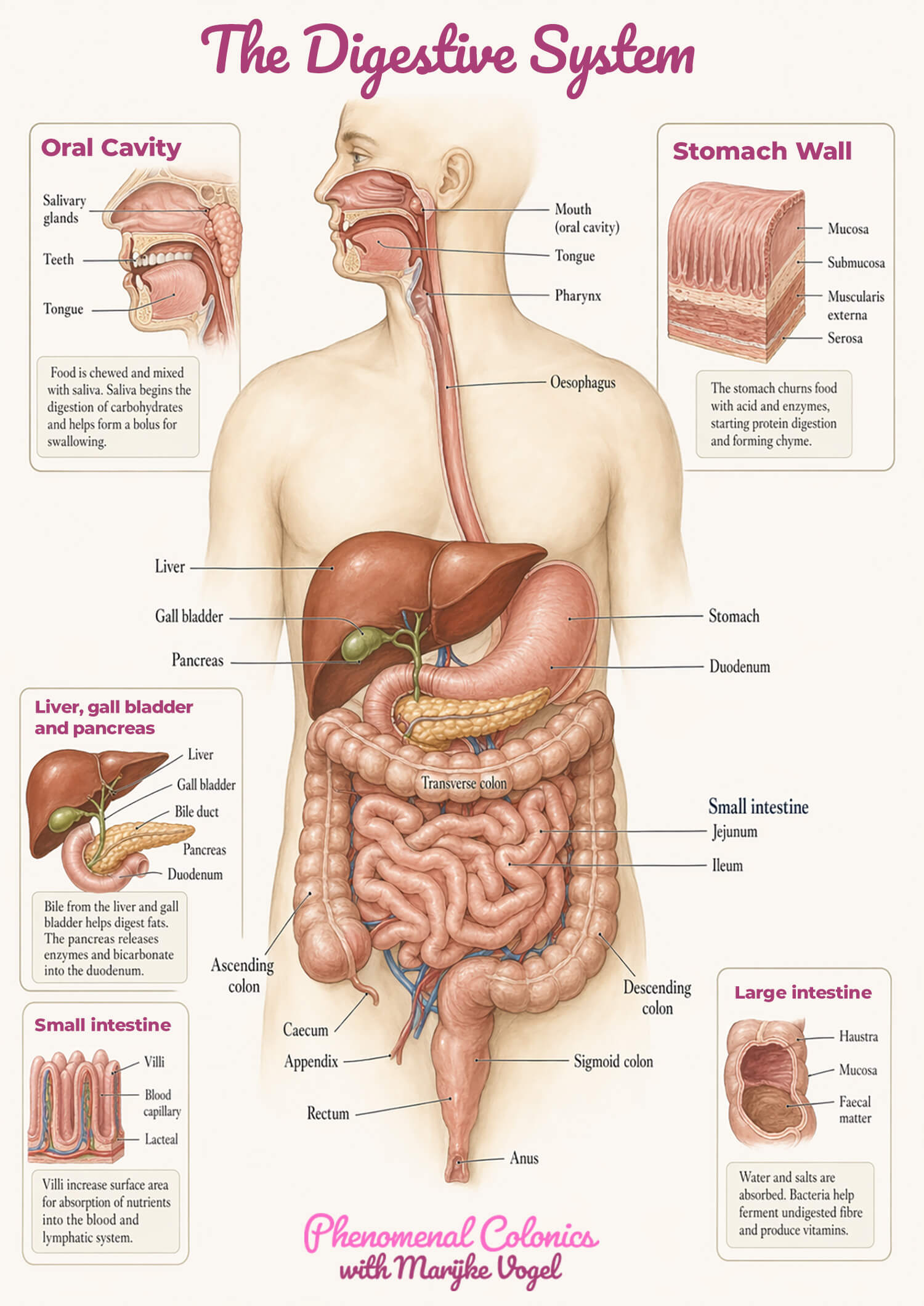
The gallbladder is a small, pear-shaped organ located just beneath the liver. Its primary job is to store and concentrate bile — a greenish-yellow fluid produced by the liver that’s essential for digesting fats.
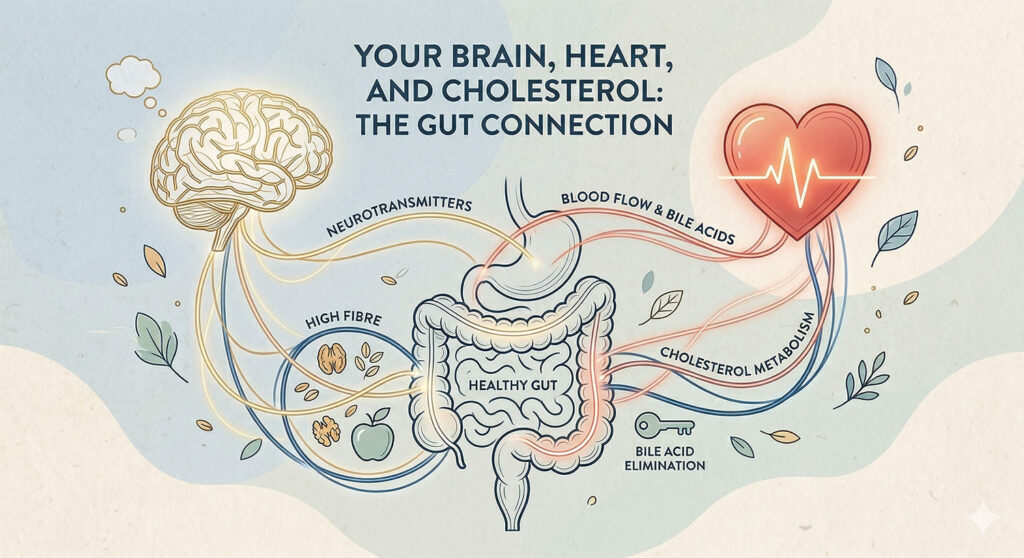
When you eat a meal containing fat, your gallbladder contracts and releases bile into the small intestine through the bile duct. This bile emulsifies fats, breaking them down into smaller droplets that digestive enzymes can process. Without adequate bile flow, you can’t properly absorb vitamins A, D, E, and K, and you’ll likely experience bloating, nausea, and loose stools after fatty meals.
According to the NHS, gallstones affect around 1 in 10 adults in the UK, though many people have them without symptoms. When gallbladder function is compromised, the entire digestive cascade is disrupted.
Common Gallbladder Problems
Gallstones
Gallstones are hardened deposits of bile that form inside the gallbladder. They can be as small as a grain of sand or as large as a golf ball. Many people have gallstones without knowing it, but when stones block the bile duct, they cause severe pain in the upper right abdomen, nausea, vomiting, and jaundice.
Biliary Sludge
Before stones form, bile can become thick and sludgy — particularly when the diet is high in processed foods and poor-quality fats. This sludge impairs bile flow and contributes to digestive sluggishness, bloating, and fat malabsorption.
Cholecystitis (Gallbladder Inflammation)
When the gallbladder becomes inflamed — often due to a blocked duct — it causes severe pain, fever, and tenderness. This is a medical emergency requiring immediate attention.
Post-Cholecystectomy Syndrome
Many people who’ve had their gallbladder removed continue to experience digestive problems because bile now drips continuously into the intestines rather than being released in controlled bursts during meals. This can cause diarrhoea, bloating, and poor fat digestion.
Gallbladder Digestive Health: Signs Your Gallbladder Needs Support
You may have a sluggish or congested gallbladder if you experience:
- Pain in the upper right abdomen, especially after fatty meals
- Nausea or vomiting after eating rich foods
- Bloating and gas, particularly after eating fats or oils
- Light-coloured or clay-coloured stools (indicating poor bile flow)
- Greasy, floating stools that are difficult to flush
- Chronic constipation alternating with loose stools
- Fatigue and sluggishness after meals
- Difficulty losing weight
- Bitter taste in the mouth
My Honest Opinion on Liver and Gallbladder Flushes
We’re approaching the time of year when many people start thinking about the liver cleanse. Many follow the Epsom salt and gallbladder flush made famous by Andreas Moritz. Andreas became well known for his books on cancer and particularly for his encouragement to do liver flushes several times a year. He was an interesting character, but he passed away in October 2012, mysteriously aged only 58. May he rest in peace.
I’ve had many clients come in for a colonic after one of those flushes, and they usually felt very unwell. Even though the occasional flush may be okay for some people, I find that when people start these self-help regimes at home unsupervised, they tend to overdo it.
Personally, I don’t encourage the flush with Epsom salt. I found it pretty awful when I did it a few times as part of my naturopathic studies, and I’m not convinced that it actually removes stones. There are definitely some little putty-like substances that come through with a colonic administered afterward, but that’s more likely a mixture of bile, oil, and salt residues — not actual gallstones.
A Gentler Alternative: The Apple Juice Method
I prefer the approach whereby a litre of apple juice is drunk daily for a week. The malic acid in apple juice may help soften or dissolve gallstones. This is followed by olive oil and grapefruit juice as the final flush.
This method appears better able to loosen the sludge built up in the duodenum and increase bile flow. The full recipe will be in my new book coming soon.
Important note: Anyone considering a gallbladder flush should consult their GP first, particularly if they have confirmed gallstones. A large stone dislodging and blocking the bile duct can create a medical emergency.
Coffee Enemas: My Preferred Approach for Gallbladder Support
Other than the gentler apple juice method, I’m a great advocate of using coffee enemas to support gallbladder digestive health. Coffee enemas help tremendously with liver and gallbladder congestion.
When coffee is introduced rectally, compounds in the coffee (particularly cafestol palmitate) stimulate the liver to produce more bile and the gallbladder to contract and release stored bile. This helps clear sluggish bile, reduce congestion, and support overall digestive function.
For more on coffee enemas and how they work, see my article on raw organic coffee enemas.
Supporting Gallbladder Digestive Health Through Diet
Diet plays an enormous role in gallbladder function. Here’s how to support your gallbladder naturally:
Foods to Emphasise
- Bitter greens: Rocket, dandelion, chicory, endive — stimulate bile production
- Beetroot: Supports liver detoxification and bile flow
- Apples: Malic acid supports bile thinning
- Lemon water: Drink warm lemon water first thing in the morning to stimulate bile
- Artichokes: Contain cynarin, which increases bile production
- Radishes: Support bile flow and liver function
- Healthy fats in moderation: Olive oil, avocado, nuts, seeds
Foods to Reduce or Avoid
Look after your gallbladder and reduce saturated fats — particularly from fried foods, processed meats, and poor-quality dairy. These place enormous strain on the gallbladder and contribute to sludge formation.
Also avoid:
- Trans fats and hydrogenated oils
- Excess sugar and refined carbohydrates
- Processed foods with additives
- Excessive alcohol
For more on how diet affects overall health, read my article on how poor diet affects your health.
The Emotional and Energetic Side of Gallbladder Health
In Traditional Chinese Medicine, the gallbladder is involved with the emotion of making decisions and also frustration. If you’re currently not sure whether to change jobs, sell your house, or pursue a new relationship, think gallbladder.
The season associated with the gallbladder is spring, the colour is green, and the element is wood. This makes sense when you consider that spring is a time of growth, renewal, and decisive action — all qualities that require a healthy gallbladder meridian.
People with chronic gallbladder congestion often struggle with indecisiveness, procrastination, and a feeling of being stuck. Supporting the physical organ can help shift these emotional patterns as well.
How Colonic Hydrotherapy Supports Gallbladder Function
Colonic hydrotherapy can be a valuable complement to gallbladder care by:
- Clearing accumulated bile and digestive waste from the colon
- Reducing the toxic burden on the liver and gallbladder
- Supporting overall digestive motility and function
- Helping clear residue after a gallbladder flush (if you choose to do one)
For clients who’ve had their gallbladder removed, regular colonic hydrotherapy can help manage the ongoing digestive challenges by supporting healthy bowel function and reducing congestion.
For more on how the digestive system works as a whole, read my article on why the digestive system underpins overall health.
Ready to Support Your Gallbladder and Digestive Health?
If you’re struggling with gallbladder symptoms, poor fat digestion, or chronic digestive discomfort, I can help. I offer naturopathic consultations, nutritional guidance, and colonic hydrotherapy at my Belsize Park clinic.
Sessions start from £175. You can book by phone, WhatsApp, or email.
Call or WhatsApp: 07982 831239
Email: marijke@phenomenalcolonics.com
Location: Balance On The Lane, 16 England’s Lane, Belsize Park, London NW3 4TG
About the Author
Marijke Vogel is an ARCH-accredited colonic hydrotherapist (CNHC registration: CNHC04200) and qualified naturopath, herbalist, and iridologist based in Belsize Park, North London. With over 25 years of clinical experience supporting clients with digestive dysfunction, liver congestion, and gallbladder problems, Marijke offers evidence-informed, holistic care grounded in both traditional naturopathic wisdom and practical clinical observation.
She practices at Balance On The Lane, 16 England’s Lane, Belsize Park, London NW3 4TG. Professional memberships include ARCH (Association of Registered Colon Hydrotherapists) and CNHC (Complementary and Natural Healthcare Council).
Medical Disclaimer: This content is for informational purposes only and does not constitute medical advice. If you have gallbladder pain, confirmed gallstones, or other serious symptoms, always consult your GP or gastroenterologist. Gallbladder flushes are not suitable for everyone and should only be undertaken with professional guidance. Colonic hydrotherapy is not a substitute for medical treatment.