The connection between allergies gut health is profound and often overlooked. Many people suffering from food sensitivities, skin reactions, asthma, or chronic inflammation don’t realise that the root cause may lie in their digestive system — specifically, a compromised gut lining and disrupted gut microbiome.
As a naturopath with over 25 years of experience, I’ve seen countless clients transform their allergy symptoms by addressing gut health. When the gut is inflamed, permeable, or burdened with harmful bacteria, the immune system becomes hyperactive and starts reacting to foods that should be harmless. This is why supporting allergies gut health through diet, gut healing, and targeted therapies can make such a dramatic difference.
In this article, I’ll explain how gut dysfunction creates allergies, which foods are most commonly problematic, and what you can do to heal your gut and reduce your allergic burden.
Allergies Gut Health: How Your Digestive System Triggers Reactions
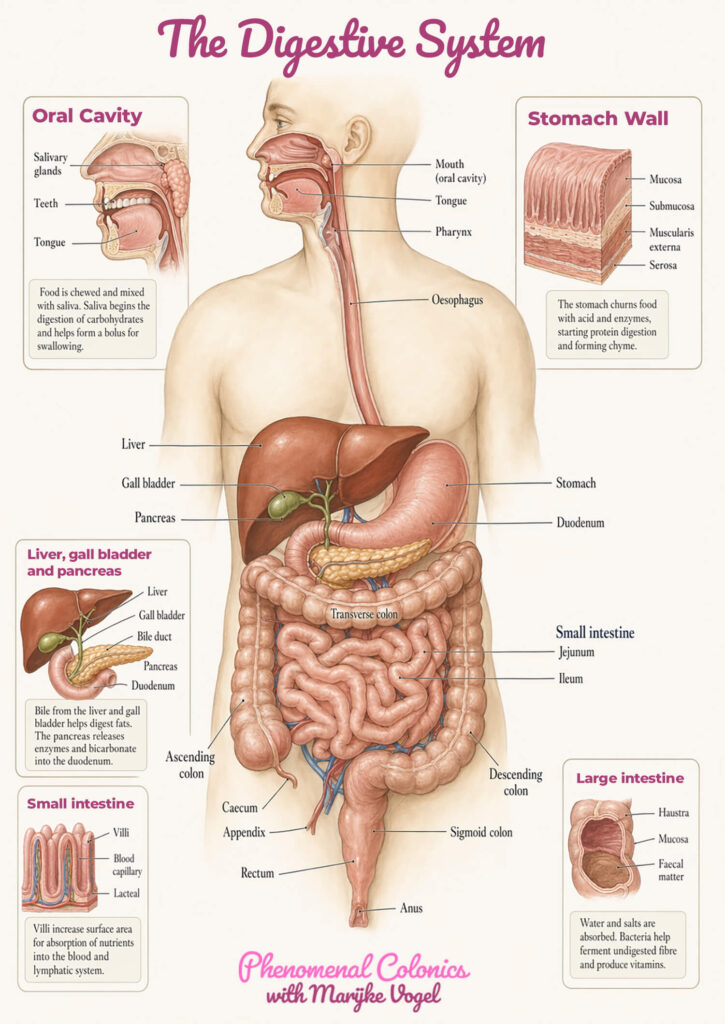
Your gut is home to approximately 70% of your immune system. The gut lining acts as a selective barrier, allowing beneficial nutrients through while keeping toxins, undigested food particles, and harmful microbes out.
However, when this barrier becomes compromised — a condition sometimes referred to as “leaky gut” or increased intestinal permeability — the immune system encounters substances it’s not supposed to see. Undigested proteins from food, bacterial fragments, and toxins slip through the gut wall and enter the bloodstream.
The immune system recognises these as foreign invaders and mounts an inflammatory response. Over time, this creates food sensitivities and allergies that didn’t exist before. This is why someone might suddenly develop an intolerance to wheat, dairy, or other foods they’ve eaten for years without problems.
The Leaky Gut Connection
Leaky gut develops when the tight junctions between gut cells loosen. Several factors contribute to this:
- Poor diet: Processed foods, excess sugar, and inflammatory fats damage the gut lining
- Chronic stress: Stress hormones directly impair gut barrier function
- Antibiotics: Wipe out beneficial bacteria that protect the gut lining
- Alcohol and NSAIDs: Irritate and inflame the gut wall
- Gut infections: Parasites, candida, and harmful bacteria create inflammation
When the gut lining is damaged, it can’t produce the digestive enzymes needed to fully break down food. This means larger food particles enter the gut — and potentially the bloodstream — triggering immune reactions.
The Most Common Food Allergies and Sensitivities
Many people ask me where to get allergy tests, and I understand why — identifying trigger foods is essential. However, the most common culprits are usually the same few foods:
Wheat and Gluten
Wheat contains gluten, a protein that’s difficult to digest even for people without coeliac disease. Modern wheat has been bred to contain far more gluten than traditional varieties, and it’s heavily processed.
When gut health is compromised, gluten can trigger inflammation, bloating, brain fog, joint pain, and skin problems. Many people find that removing wheat dramatically improves their symptoms — even if they don’t have coeliac disease.
Dairy
Dairy — particularly cow’s milk — is one of the most allergenic foods. The proteins casein and whey can trigger immune reactions in people with compromised gut health. Lactose intolerance is also extremely common, particularly in adults.
Dairy can contribute to congestion, skin problems, digestive discomfort, and chronic inflammation. Many of my clients discover that their lifelong sinus issues or eczema clear up within weeks of removing dairy.
Sugar
While not technically an allergen, sugar feeds harmful gut bacteria and yeast (like candida), which then produce toxins and inflammation. Excess sugar also disrupts blood sugar regulation, creates oxidative stress, and weakens immune function — all of which worsen allergies.
Processed and Fried Foods
Eating fatty, processed foods can itself become an allergy trigger. I remember eating delicious but very fatty lamb chops in Spain years ago. Suddenly, I couldn’t breathe. I had to lie down for several hours with severe cramps and palpitations. I haven’t touched lamb since.
The combination of poor-quality fats, additives, and inflammatory compounds in processed foods places enormous strain on the liver and digestive system.
Hidden Allergens: Soy, Corn, and Additives
Beyond the obvious culprits, many people react to soy, corn, and various food additives. In Bali, I discovered I’m allergic to garlic powder (which isn’t listed on menus but is used extensively). The cramps were unbearable. Interestingly, fresh garlic doesn’t bother me at all — it’s the processing and additives in the powder that trigger the reaction.
This highlights an important point: it’s often not the food itself but how it’s processed, where it’s sourced, and what’s added to it that causes problems.
Why Are Allergies More Common Now?
Our grandparents didn’t suffer from allergies the way we do today. Why? The answer lies in how food is produced, processed, and consumed.
In previous generations, food was bought locally and fresh. People spent time preparing dishes from scratch, and fast food didn’t exist. Food wasn’t genetically modified, sprayed with dozens of pesticides, or filled with artificial colours, flavours, and preservatives.
Year after year, there’s more “messing around” with food to increase production and shelf life. Additives are added indiscriminately. We saw this starkly in the UK horse meat scandal — people genuinely didn’t know what was in the food they were buying.
This combination of heavily processed foods, environmental toxins, chronic stress, antibiotic overuse, and disrupted gut microbiomes has created an epidemic of food sensitivities and allergies.
How Allergies Gut Health Manifests: Symptoms to Watch For
Food allergies and sensitivities don’t just cause digestive symptoms. They can affect virtually every system in your body:
- Skin: Eczema, hives, acne, rashes, itching
- Respiratory: Asthma, wheezing, chronic congestion, sinusitis
- Digestive: Bloating, gas, diarrhoea, constipation, cramping
- Neurological: Brain fog, headaches, migraines, mood swings
- Energy: Chronic fatigue, sluggishness after eating
- Eyes: Itchy, watery, or red eyes
- Weight: Difficulty losing weight, water retention, unexplained weight gain
Just like a sudden heart attack, an asthma attack can be brought on by eating the wrong meal, snack, or drink at the wrong time. The way we eat, the amount, the timing, and the types of food we choose have a direct effect on the quality of our lives.
The Gut-Liver Connection in Allergies
Many people snack indiscriminately between meals and before bedtime. If proper, nourishing food is eaten, there’s neither need nor desire to snack on crisps, popcorn, biscuits, or processed “nutritional” bars. An apple or other piece of fruit is always a better choice if you need a quick lift between meals.
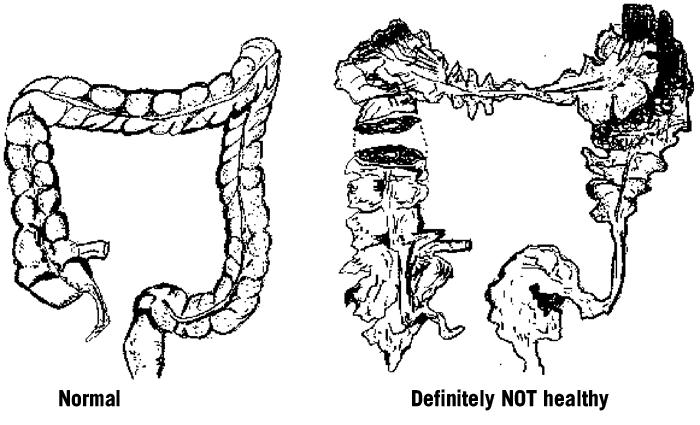
However, when constant snacking becomes a pattern, there’s too much strain on the liver. The small intestines fill with sludge, the gut starts leaking, nutrient absorption falters, and gas increases. Energy slows, and the brain gets foggy.
According to the NHS, food allergies are increasingly common and can range from mild to severe. Understanding the connection between gut health and immune function is essential for managing symptoms effectively.
Doctors often prescribe statins for cholesterol or steroids for asthma without checking bowel function. Yet the root cause — gut inflammation and liver congestion — remains unaddressed.
Healing Allergies Through Gut Health Support
The good news is that when you heal your gut, many food sensitivities improve or disappear entirely. Here’s how to support your allergies gut health:
1. Identify and Remove Trigger Foods
An elimination diet is the gold standard for identifying food sensitivities. Remove the most common triggers (wheat, dairy, sugar, soy, corn, eggs) for 3-4 weeks, then reintroduce them one at a time while monitoring symptoms.
Blood tests for IgG food sensitivities can also be helpful, though they’re not always definitive. The most reliable test is how you actually feel when you eat or avoid certain foods.
2. Heal the Gut Lining
Support gut repair with:
- Bone broth: Rich in collagen and glutamine, which heal the gut lining
- L-glutamine supplement: Directly repairs intestinal cells
- Zinc: Essential for gut barrier function
- Omega-3 fatty acids: Reduce inflammation throughout the gut
- Aloe vera: Soothes and heals the digestive tract
3. Restore Beneficial Bacteria
Probiotics are essential for rebuilding a healthy gut microbiome. Look for high-quality products with at least 25 billion CFUs and multiple strains, including Lactobacillus and Bifidobacterium species.
Fermented foods like sauerkraut, kimchi, kefir, and natural yoghurt (if dairy is tolerated) also introduce beneficial bacteria.
4. Support Digestive Function
If your digestion is severely compromised, digestive enzymes can help break down food more completely, reducing the allergenic load on your system.
5. Reduce Inflammation
Anti-inflammatory foods and herbs can significantly reduce allergic reactions:
- Turmeric (curcumin)
- Ginger
- Green tea
- Quercetin (found in onions and apples)
- Omega-3-rich fish
6. Cleanse and Support the Liver
A congested liver worsens allergies because it can’t effectively filter toxins. Support liver health with leafy greens, cruciferous vegetables, garlic, beetroot, and lemon water. For more on garlic’s powerful health benefits, read my article on the power of garlic.
7. Consider Colonic Hydrotherapy
Colonic hydrotherapy can be a valuable tool for clearing accumulated waste and reducing the toxic burden on your system. This creates a cleaner environment for beneficial bacteria to flourish and can help reset digestive function.
For more on what to expect during a session, see my guide on your first colonic irrigation appointment.
Practical Steps: Eating for Gut Health and Fewer Allergies
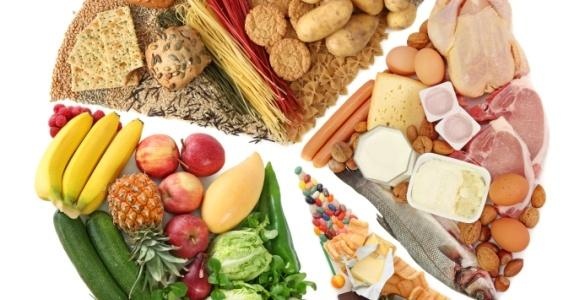
To be on the safe side, buy fresh food as much as possible. Prepare more food at home, like our grandparents did, and you’ll start to feel better. Keep yourself well informed about additives and how they affect you, and avoid foods that contain these things.
Choose organic where possible, particularly for the “dirty dozen” (foods with the highest pesticide residues). Read labels carefully, and avoid products with long ingredient lists full of words you don’t recognise.
Eat slowly, chew thoroughly, and pay attention to how different foods make you feel. Your body is constantly communicating — you just need to listen.
Ready to Address Your Allergies and Gut Health?
If you’re struggling with allergies, food sensitivities, or chronic inflammation and suspect gut health may be at the root, I’m here to help. I offer naturopathic consultations, iridology assessments, and colonic hydrotherapy at my Belsize Park clinic.
Sessions start from £175. You can book by phone, WhatsApp, or email.
Call or WhatsApp: 07982 831239
Email: marijke@phenomenalcolonics.com
Location: Balance On The Lane, 16 England’s Lane, Belsize Park, London NW3 4TG
About the Author
Marijke Vogel is an ARCH-accredited colonic hydrotherapist (CNHC registration: CNHC04200) and qualified naturopath, herbalist, and iridologist based in Belsize Park, North London. With over 25 years of experience helping clients identify and heal from food sensitivities and gut dysfunction, Marijke offers a compassionate, holistic approach to health.
She practices at Balance On The Lane, 16 England’s Lane, Belsize Park, London NW3 4TG. Professional memberships include ARCH (Association of Registered Colon Hydrotherapists) and CNHC (Complementary and Natural Healthcare Council).
Medical Disclaimer: This content is for informational purposes only and does not constitute medical advice. If you have severe allergies or anaphylactic reactions, always consult your GP or allergist. Colonic hydrotherapy is not suitable for everyone. If you have a diagnosed medical condition, are pregnant, or have concerns, please consult your healthcare provider before booking a session.