Constipation is one of the most common digestive complaints Marijke Vogel encounters in her practice at Phenomenal Colonics. For some clients it is an occasional frustration; for others it is a long-standing pattern that affects energy, comfort, and daily life. Whether colonic irrigation can help with constipation is a question Marijke is asked regularly. This guide sets out what the therapy may offer, how it works in practice, and what to consider before booking.
What Is Constipation and Why Does It Happen?
Constipation is broadly defined as infrequent bowel movements — typically fewer than three per week — often accompanied by hard or difficult-to-pass stools, a sense of incomplete emptying, or abdominal bloating and discomfort. The NHS notes that it is extremely common and can affect people of all ages.
Causes vary widely. Low dietary fibre, inadequate hydration, a sedentary lifestyle, stress, hormonal fluctuations, certain medications, and changes in routine are among the most frequent contributors. For some people, constipation is situational and resolves quickly with dietary adjustment. For others, it becomes a persistent feature of their digestive health that proves resistant to straightforward fixes.
It is this second group — those who have tried the standard approaches without lasting relief — who most commonly seek out colonic hydrotherapy as a complementary option.
Can Colonic Irrigation Help with Constipation?
Marijke does not present colonic irrigation as a cure for constipation, and it would be inaccurate to do so. What she can describe is what her clients consistently report, and for those experiencing constipation, the feedback following treatment is often notably positive.
Clients most commonly describe a significant sense of relief and release during and immediately after the session. The feeling of heaviness and bloating that chronic constipation produces tends to ease considerably. Many report that bowel movements in the days following treatment feel easier and more regular than they have in some time.
These are client-reported outcomes from Marijke’s clinical experience, not the results of controlled trials. But the consistency of this feedback across many clients over many years reflects the reality that for a significant number of people with constipation, colonic hydrotherapy offers meaningful short-term relief — and for some, a useful prompt to address the underlying dietary or lifestyle factors contributing to the problem.
How Does Colonic Hydrotherapy Work for Constipation?
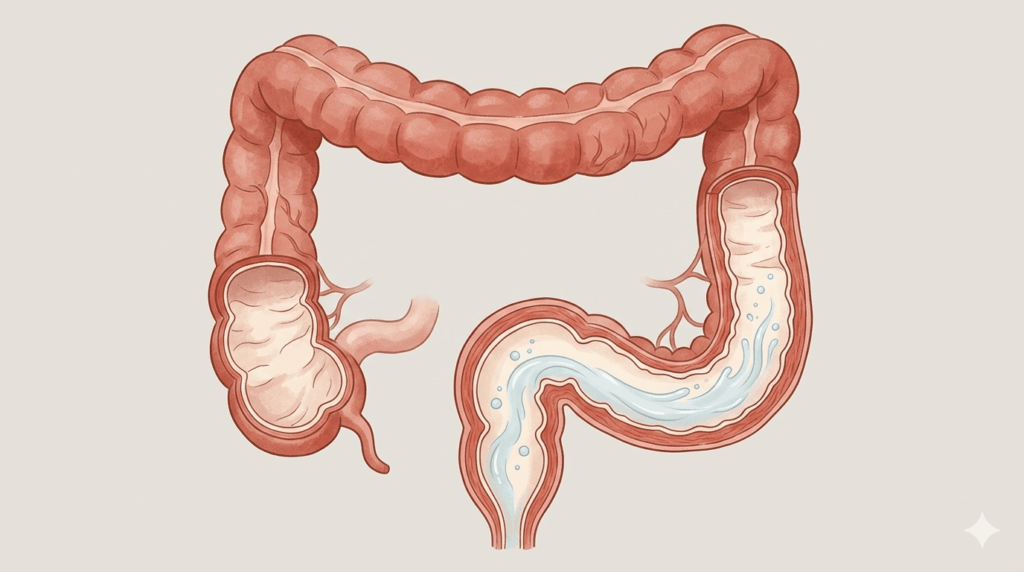
Marijke uses manual, gravity-controlled colon hydrotherapy — a gentle, gradual method that works without pressure or force. She introduces warm, filtered water slowly, allowing it to move carefully through the large intestine a little at a time. The water softens and loosens compacted material in the bowel, helping it to move and release in a way that diet and hydration alone may not have achieved.
The pace is always measured and responsive. Where there is significant compaction or tension in the bowel, Marijke works slowly, allowing the bowel to open at its own rate. Going all the way around the large intestine is not always possible in a first session. Marijke will never push beyond what the body is ready for.
At the end of the session, clients use the bathroom privately before leaving. Marijke then takes time to discuss what she observed during treatment. She shares her impressions of how the bowel was responding and offers tailored recommendations on diet, hydration, and supplements that may help support more regular bowel function going forward.
Is Colonic Irrigation Safe If You Have Constipation?
For most people with constipation, colonic hydrotherapy is well tolerated. Before every session at Phenomenal Colonics, clients complete a detailed five-page health questionnaire, which Marijke reads carefully before the appointment. She discusses any relevant points before treatment begins, and the conversation continues during the session itself.
There are circumstances in which colonic hydrotherapy would not be appropriate. If constipation is accompanied by unexplained rectal bleeding, significant unintentional weight loss, or a recent change in bowel habit that has not been investigated by a doctor, speak to your GP before considering any complementary therapy. These symptoms need medical assessment first.
Similarly, if you have had recent bowel surgery, a diagnosis of inflammatory bowel disease, or any known structural bowel condition, please let Marijke know before booking. She will always advise honestly on whether treatment is suitable for your individual situation.
What Should You Expect During and After the Session?
For clients with constipation, treatment often produces a noticeable physical response fairly early in the session. The gradual introduction of water into a backed-up bowel frequently triggers the release of gas and compacted matter. This can feel unfamiliar at first, but Marijke guides you through the session calmly, explaining what is happening as it progresses.
Most clients leave the session feeling considerably lighter and more comfortable than when they arrived. Some notice improved bowel function within a day or two. Others find the effect more gradual. Individual responses vary — and Marijke will give you a clear picture of what she observed during treatment so you have a realistic sense of what to expect in the days that follow.
It is worth eating lightly before your session and keeping your schedule relatively clear for the remainder of the day. You can read more about the practical side of attending your first appointment in our guide for first-time colonic clients.
How Many Sessions May Be Helpful for Constipation?
There is no standard answer, and Marijke does not prescribe a course of sessions upfront. Some clients find that a single session provides significant relief and acts as a useful reset. Others find that a follow-up appointment one to two months later makes sense, particularly where constipation has been a long-standing pattern.
Marijke discusses this with you at the end of your first session, based on what she observed during treatment. Her recommendation reflects your individual picture — never a fixed protocol applied regardless of how your body responded. You can read more about how Marijke approaches this question in our guide to how many colonics you may need.
Addressing the Underlying Causes
Colonic hydrotherapy works best when it sits alongside — rather than replaces — attention to the underlying factors contributing to constipation. At the end of every session, Marijke offers specific guidance on diet, hydration, and supplements tailored to what she observed during treatment.
Common areas she may address include fibre intake, water consumption, meal timing, and the role of specific foods or supplements in supporting regular bowel function. For some clients, these practical adjustments prove as valuable as the treatment itself.
Book a Session at Phenomenal Colonics
If constipation is affecting your quality of life and you are considering colonic hydrotherapy, the most practical next step is to get in touch. Marijke is happy to answer questions before you commit to a booking.
Book a session at Phenomenal Colonics or contact Marijke directly by phone or WhatsApp. The clinic is at Balance On The Lane, 16 England’s Lane, Belsize Park, London NW3 4TG.
This content is for informational purposes only and does not constitute medical advice. Colonic hydrotherapy is a complementary therapy and is not a substitute for medical treatment. If you have persistent constipation or any change in bowel habit, always consult your GP or a qualified healthcare professional before beginning any new treatment.
About the Author Marijke Vogel is an ARCH-accredited colon hydrotherapist and qualified naturopath, herbalist, and iridologist with over 25 years of clinical experience. She practises at Balance On The Lane, 16 England’s Lane, Belsize Park, London NW3 4TG. CNHC registration number: CNHC04200.