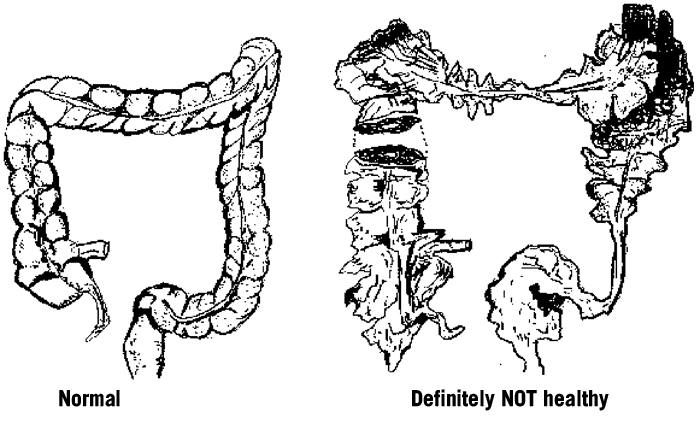

If you’re struggling with persistent bloating, brain fog, sugar cravings, and chronic fatigue that won’t shift no matter what you try, the culprit may be lurking in your digestive system. Candida gut health is a topic I discuss with clients almost daily at my North London clinic, and the connection between candida overgrowth and digestive dysfunction is profound.
Candida albicans is a type of yeast that naturally exists in everyone’s body. In small amounts, it’s harmless. However, when the delicate balance of your gut microbiome is disrupted, candida can multiply rapidly and transform from a benign organism into an invasive force that affects your entire system — from your energy levels and mental clarity to your skin, weight, and immune function.
In this article, I’ll explain what candida is, how it gets out of control, the symptoms to watch for, and how supporting your candida gut health through diet, lifestyle changes, and colonic hydrotherapy can help you reclaim your wellbeing.
What is Candida?
Candida albicans is a microorganism connected with yeast, fungus, and mould. We all have a certain level of these organisms present in our system. In a healthy gut, candida is kept in check by beneficial bacteria, particularly strains of Lactobacillus and Bifidobacterium.
However, when this delicate balance is disrupted — often by antibiotics, a high-sugar diet, chronic stress, or hormonal changes — candida can proliferate out of control. This is known as candida overgrowth or systemic candidiasis.
The greedy organism can invade deeper tissues and organs. The liver, kidneys, reproductive organs, and even the brain can eventually be affected. Candida feeds off sugar more than anything, and once you have candida overgrowth, your sugar cravings intensify dramatically — creating a vicious cycle.
People whose immune systems are severely compromised may even develop visible fungal growth in their mouth (oral thrush) and throughout their digestive tract. This also causes very bad breath that no amount of mouthwash can mask.
Furthermore, there is a certain type of alcohol produced from this fungal invasion. As a result, people with severe candida overgrowth are never truly clear-headed and can appear foggy or even intoxicated, even though they haven’t touched a drop of alcohol.
Candida Gut Health: How Does It Get Out of Hand?
When you’re healthy, you’re naturally protected from this unwanted invasion. We are blessed at birth with the right balance of good and bad bacteria. We also have plenty of neutrophils — a type of white blood cell that protects our immune system.
However, candida overgrowth is widespread today, and several factors contribute to it:
Antibiotic Use
This is the most common culprit. Antibiotics are lifesaving medicines when used appropriately, but they don’t discriminate between harmful bacteria and the beneficial bacteria that keep your gut healthy. A single course of antibiotics can wipe out much of your protective gut flora, creating an opportunity for candida to flourish.
High-Sugar and Refined Carbohydrate Diet
Candida thrives on sugar. A diet high in refined carbohydrates, white bread, pasta, sugary snacks, and alcohol creates the perfect feeding ground for yeast overgrowth. This triggers a fermenting process in the intestines, which then creates more gas, more cravings, and a progressively more hostile environment for beneficial bacteria.
Chlorine and Chemical Exposure
Chlorine in swimming pools, harsh cleaning products, and certain medications can kill your normal bacterial flora and suppress the immune system, giving candida an opportunity to expand.
Chronic Stress
Prolonged stress weakens the immune system and disrupts gut motility, creating an environment where harmful organisms can thrive. Stress also increases sugar cravings, which feeds the candida cycle.
Hormonal Changes
Pregnancy, the contraceptive pill, and hormone replacement therapy can all alter the gut environment in ways that favour candida growth.
Candida Gut Health Symptoms: How to Recognise Overgrowth
Candida overgrowth manifests in many different ways, and symptoms can be surprisingly wide-ranging. Here are the most common signs:
Digestive Symptoms:
- Chronic bloating and distension, particularly after eating
- Excessive gas and flatulence
- Congested, slimy bowel movements
- Alternating constipation and diarrhoea
- Uncomfortable cramping or discomfort after meals
Systemic Symptoms:
- Persistent exhaustion, even after a full night’s sleep
- Brain fog, poor concentration, and memory issues
- Sugar and carbohydrate cravings that feel uncontrollable
- Weight gain, particularly around the middle, that won’t shift
- Frequent headaches or migraines
Skin and Oral Symptoms:
- Persistent acne, particularly jawline and chin breakouts
- Flaky, inflamed, or rough skin
- Dandruff and itchy scalp
- Fungal infections such as athlete’s foot or nail fungus
- White coating on the tongue (oral thrush)
- Mouth ulcers and bad breath
If you recognise several of these symptoms, particularly the digestive and systemic signs, it’s worth investigating whether candida overgrowth is affecting your candida gut health.
How Candida Affects Your Gut Health
The relationship between candida and gut health is bidirectional. A compromised gut allows candida to flourish, and candida overgrowth further damages gut health — creating a self-reinforcing cycle.
When candida grows unchecked, it can change form from a benign yeast into a more invasive fungal structure that actually penetrates the gut lining. This is sometimes referred to as “leaky gut” — a condition where the intestinal barrier becomes permeable, allowing toxins, undigested food particles, and fungal byproducts to enter the bloodstream.
This triggers widespread inflammation, immune activation, and a cascade of symptoms throughout the body. Your liver becomes overburdened trying to filter these toxins, which contributes to fatigue, skin problems, and brain fog.
According to the NHS, maintaining a healthy gut microbiome is essential for overall health, and disruptions to this balance — whether from antibiotics, diet, or other factors — can have far-reaching consequences.
Supporting Candida Gut Health: How to Treat Overgrowth
Treating candida overgrowth requires a multi-faceted approach. There’s no single magic bullet, but when you combine dietary changes, herbal support, probiotics, and gut-cleansing therapies like colonic hydrotherapy, remarkable improvements are possible.
Dietary Changes
The foundation of any candida treatment plan is starving the yeast by eliminating its food sources:
- Eliminate sugar completely: This includes white sugar, honey, maple syrup, fruit juice, and high-fructose corn syrup.
- Remove refined carbohydrates: White bread, pasta, pastries, and processed foods all convert to sugar quickly in the body.
- Avoid alcohol: Alcohol is essentially liquid sugar and feeds candida directly.
- Limit dairy: Cheese, milk, and yoghurt (except plain, unsweetened, probiotic-rich varieties) can promote fungal growth.
- Reduce wheat and gluten: These can contribute to gut inflammation and feed candida.
Instead, focus on:
- Non-starchy vegetables (greens, broccoli, cauliflower, courgette)
- High-quality proteins (fish, organic poultry, eggs, legumes)
- Healthy fats (avocado, olive oil, coconut oil)
- Low-sugar fruits in moderation (berries, green apples)
- Fermented foods (sauerkraut, kimchi, kefir if tolerated)
Herbal and Nutritional Support
Certain herbs and supplements have powerful antifungal properties and can help restore balance:
- Olive leaf extract: A natural antifungal that helps reduce candida systemically
- Coconut oil (especially MCT oil): Contains caprylic acid, which breaks down candida cell walls. It also reduces sugar cravings. For more on MCT oil, see my article on coconut oil for gut health.
- Garlic: A potent antimicrobial that supports gut health. Read more about the power of garlic for digestive health.
- Oregano oil: Contains carvacrol and thymol, both strong antifungal compounds
- Pau d’arco: A traditional South American herb with antifungal and immune-supporting properties
Probiotics
Restoring beneficial bacteria is essential for long-term candida gut health. I recommend very powerful probiotics with at least 25 billion CFUs (colony-forming units) per capsule. Look for strains specifically shown to combat candida, such as Lactobacillus rhamnosus and Saccharomyces boulardii.
Probiotics should be taken daily, even after symptoms improve, to maintain a healthy gut environment.
How Colonic Hydrotherapy Supports Candida Gut Health
Colonic hydrotherapy is a valuable supportive therapy for candida overgrowth. It helps by removing fungal residues, gas, and accumulated waste from the colon, which reduces the toxic load on your body and creates a cleaner environment for beneficial bacteria to re-establish.
During a colonic session, warm purified water flows gently in and out of the colon, inch by inch, helping to release compacted material that may have been sitting in the bowel for days or weeks. This can include fermenting matter that feeds candida and contributes to bloating and gas.
Many clients report feeling significantly lighter, clearer, and less bloated after a session. The reduction in gas and the removal of fungal byproducts often leads to improved energy and mental clarity within 24-48 hours.
For more information on what to expect during a colonic session, read my guide on your first colonic irrigation appointment.
The Key to Tackling Candida: Don’t Let It Fester
The most important thing to understand about candida gut health is that ignoring the problem only allows it to worsen. Candida overgrowth doesn’t resolve on its own — it requires active intervention.
However, with the right combination of dietary discipline, herbal support, probiotics, and gut-cleansing therapies like colonic hydrotherapy, you can restore balance and reclaim your health.
I’ve worked with hundreds of clients over the years who struggled with candida-related symptoms for months or even years before finally addressing the root cause. The relief they experience — clearer skin, better energy, sharper thinking, and a calm, comfortable digestive system — is profound.
If you recognise these symptoms in yourself, don’t wait. Take action now.
Ready to Address Your Candida Gut Health?
If you’re struggling with candida overgrowth and want professional support to restore your digestive health, I’m here to help. With over 25 years of experience in colonic hydrotherapy and naturopathic medicine, I offer a compassionate, knowledgeable approach to gut healing.
Sessions at my Belsize Park clinic start from £175. You can book by phone, WhatsApp, or email.
Call or WhatsApp: 07982 831239
Email: marijke@phenomenalcolonics.com
Location: Balance On The Lane, 16 England’s Lane, Belsize Park, London NW3 4TG
About the Author
Marijke Vogel is an ARCH-accredited colonic hydrotherapist (CNHC registration: CNHC04200) and qualified naturopath, herbalist, and iridologist based in Belsize Park, North London. With over 25 years of experience treating candida overgrowth and digestive dysfunction, Marijke offers a holistic, compassionate approach to gut health and wellbeing.
She practices at Balance On The Lane, 16 England’s Lane, Belsize Park, London NW3 4TG. Professional memberships include ARCH (Association of Registered Colon Hydrotherapists) and CNHC (Complementary and Natural Healthcare Council).
Medical Disclaimer: This content is for informational purposes only and does not constitute medical advice. Colonic hydrotherapy and herbal treatments are not suitable for everyone. If you have a diagnosed medical condition, are pregnant, or have concerns about candida overgrowth, please consult your GP or healthcare provider before beginning any treatment protocol.